
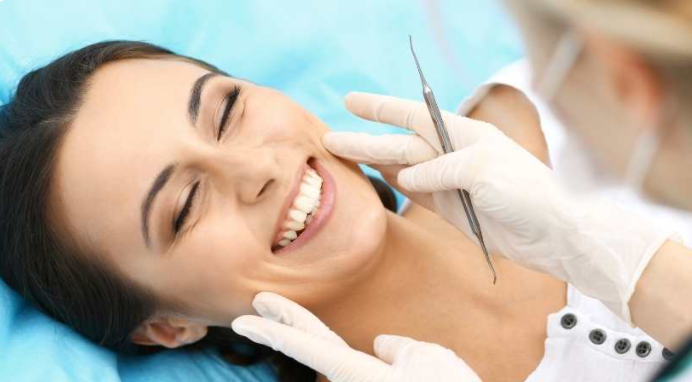
People may lose their teeth for various reasons. The causes of tooth loss include tooth decay and other dental problems. At this point, fillings are quite useful; but in case of tooth loss, fillings become meaningless. In such cases or in case of tooth fracture, dentures are extremely useful.
Over time, it is highly likely that teeth will lose their natural appearance. Teeth lose their former shiny appearance due to various reasons such as wear, tooth decay, fractures and smoking. These losses lead to both aesthetic deterioration and functional disorders. Naturally, no matter how much care you take of your teeth, teeth are always damaged.
Considering the patient's needs, a custom denture is prepared to replace the teeth lost over time. Dentures produced to fit perfectly in the person's mouth provide a very natural appearance. It is possible to make dentures according to the number of missing teeth. At this stage, the aim is to preserve the original teeth. The color of the produced denture is compatible with the original color of the patient's teeth and it is difficult to detect the difference from the outside. Dentures improve chewing function while also increasing the patient's quality of life.
The patient's own tooth is used to make a permanent denture with two subtypes called Fixed and Removable dentures. The original teeth are first cut and reduced in size, and after the tooth is covered, the fixed denture is placed in its place. The fixed denture procedure may require visiting the dentist 4 or 5 times. The chewing action in fixed dentures is more comfortable than in removable dentures. The patient cannot remove the denture whenever they want. Usually Zirconia or Laminate dentures are preferred. However, removable dentures can be removed and reinserted by the patients themselves. Removable dentures have three subtypes: The first type is called complete dentures and is used when there are no teeth in the patient's mouth. The second type is clasp dentures, which are used not for the entire tooth, but only for a specific part of the tooth. The third type is called temporary dentures that replace extracted or cut teeth.
What Are Dentures ?
A partial denture is similar to a bridge in that it fills the gap left by missing teeth. An abutment is a removable dental prosthesis consisting of artificial teeth mounted on a metal frame attached to the tooth or teeth with a metal clasp or precision attachment. A partial denture is usually used at the end of a row of natural teeth, where there is only one abutment tooth. The pressure applied by chewing is shared by the abutment tooth and the soft tissues of the gum protrusion under the appliance.
A complete denture can be fitted when all upper or lower teeth are lost. A complete denture consists of artificial teeth mounted on a plastic base molded to fit the remaining oral anatomy. It can be held in place with a denture adhesive.
Some people cannot tolerate having foreign material in their mouth, so they cannot wear dentures. In response to this denture intolerance, an implant-supported removable denture may be the best solution. Implant anchors can be placed in the upper or lower dental arch, or both. Five or six implants are attached to the bone of the upper arch and four or five are placed in the lower arch. Each jaw implant group is connected with a fixation bar. A custom-made denture is placed over the bar with a silicone gasket that holds the denture in place and provides a cushion between the denture and the implants.
If you have no teeth at all, a fully removable denture is recommended. Commonly known as false teeth, this tooth replaces your natural tooth structure and can be removed from your mouth for daily care or before sleeping. This type of denture is usually made of acrylic resin or porcelain. Your dentures will mimic your natural teeth (for a more aesthetic result) and also your gums (using pink acrylic). The main advantage of this application is that it is much cheaper and the intervention is relatively quick. You will find your chewing function easier without having to go through a long recovery process as when installing a fixed dental prosthesis. However, it will be much more difficult for the patient to get used to their new denture, and having to remove it to clean after every meal can be a major disadvantage for many people.
Partial denture; unlike complete dentures, partial dentures replace only one or more teeth. Since it will partially rest on your tooth structure, it is a more stable alternative than complete dentures. The partial removable denture, which is cheaper than a fixed denture, integrates perfectly with your existing teeth thanks to the clasps and can support new dentures in case of loss. However, it has the disadvantage of having to be removed after every meal for its maintenance and is less aesthetic than a fixed denture since it is not always possible to hide the metal clasps.
How Are Dentures Made ?
The procedure for a partial denture will be relatively simple. For a partial denture consisting of stellite, your dentist will place your denture by ensuring that the metal clasps are fixed to the main teeth. They will adjust it to the most ideal shape for your face to ensure a good fit to your jaw. The dentures will first be placed in the mouth. Your dentist will then check if they fit properly and make any necessary adjustments. In fixed dentures, the placement of the denture will be longer and more complex.
Fixed dentures are applied to patients who have experienced little tooth loss. The application stages of fixed dentures in the treatment process are as follows: As the first stage, the tooth to be replaced with a fixed denture is removed and the resulting tooth gap is cleaned. Then the cut tooth is prepared, covered and placed in the patient's mouth. The preparation of the fixed denture takes 10 days. During this time, the patient should visit the dentist frequently. At the end of 10 days, the patient's treatment is completed by placing fixed dentures. The lifespan of fixed dental prostheses is 6-8 years. The patient's oral care and how they care for the dentures can extend and shorten the time. Since the fixed denture that replaces the old tooth will look like the patient's own tooth from the outside, this method is preferred in patients with aesthetic concerns.
Removable dentures, unlike fixed dentures, are a type of denture that the patient can remove and insert. They are usually applied to patients with a lot of tooth loss. The assembly stages of removable dentures are as follows: The patient's tooth losses are examined and it is decided whether the removable denture part will be installed accordingly. Then the patient's tooth measurements are taken and if necessary, a temporary tooth is placed. After the dentures are prepared, the patient starts using them.
Recovery Process After Denture Treatment
Prosthodontics; is a branch of dentistry that aims to meet the needs of patients both in terms of health and visually by making dentures in place of missing teeth in the mouth. The loss of teeth and surrounding tissues causes aesthetic, functional, phonetic and moral losses. Therefore, these losses must be compensated with dentures. Dental prostheses can be basically classified as fixed prostheses, removable prostheses and implant-based prostheses. Each of these prostheses has its own unique recovery process. The main factors affecting the recovery process:
- Patient's age
- Tooth, mouth and jaw structure
- Method of application
- Success of the dentist
However, in general, these procedures do not require a very long recovery process. The recovery process is quite practical and quick. The important factor here is to follow the rules and nutrition expressed by the doctor after the procedures. If followed, the recovery process will be completed in a much shorter time.
It may take some time to get used to your dentures, but you can talk to your dentist for advice on what you can do and mentally get used to this situation. Eating and speaking with your dentures may be a little difficult at first, but with a little practice you can return to your normal life. Try to stick to your daily cleaning routine to keep your dentures in good condition. Removing dentures at night allows your gums to rest and ensures they are stored safely when not in use to preserve their appearance. Complete dentures can have a positive impact on your life by bringing a smile to your face.
Important Considerations Regarding Dentures
Removable partial or complete dentures; require proper care to keep them clean, free of stains and looking their best. For good denture care:
- Remove and rinse dentures after eating. Run water over your dentures to remove food debris and other particles. When dropping dentures, it would be wise to place a towel on the counter or in the sink to prevent them from breaking.
- Handle your dentures carefully. Make sure you don't bend the plastic while cleaning and be careful not to damage it.
- Clean your mouth after removing your dentures. Use a soft toothbrush to clean your tongue, cheeks and the roof of your mouth (palate).
- Brush your dentures at least every day. Remove your dentures every day and clean them gently.
- Place dentures in water or a mild denture soaking solution overnight. Follow the manufacturer's instructions for cleaning and washing solutions.
- Rinse dentures thoroughly before putting them back in your mouth, especially if you use a denture soaking solution. These solutions may contain harmful chemicals that can cause vomiting, pain or burns if swallowed.
- Schedule regular dental checkups. Your dentist will tell you how often you should visit to have your dentures examined and professionally cleaned.
- Do not use any bleaching products as they may weaken dentures and change their color. Do not soak dentures with metal attachments in chlorine-containing solutions as they may darken and corrode the metal.
Nutrition After Denture Surgery
Whether you are missing one tooth or multiple teeth, dental implants and dentures can quickly restore your smile and confidence. Although dentures eliminate your decay concerns, it is important to brush and floss after every meal because the tissue around them is still susceptible to gum disease. Good oral hygiene will keep your gums and tongue healthy and your dentures in good condition for years.
To prevent bacterial infections, it is important to brush and floss regularly. Infections can weaken your gums and cause your jawbone to recede. In such a case, your dentures are at risk of loosening or falling out.
Choosing tools specifically designed for dental implants will help keep them in good condition for as long as possible. Regular toothbrushes or dental floss may damage your dentures.
If you have dentures, schedule checkups with your dentist twice a year. They can ensure that your dental implants and dentures fit properly and are in good condition, and provide you with a comprehensive cleaning to keep your gums healthy.
Smoking in particular has been proven to restrict blood flow around the gums and teeth. When your mouth and gums don't get enough blood, it can impair healing and increase your risk of bone loss.
Coffee, wine and heavy carbonated drinks are among the biggest factors when it comes to staining teeth. Sweets, blueberries and raspberries are also known to stain teeth. Protect your dentures by avoiding anything that could stain your teeth. Using straws and rinsing with water afterwards can also reduce your risk of tooth staining.