
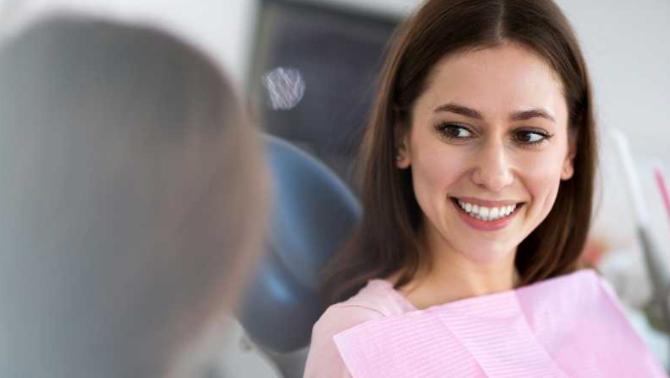
Under today's conditions, dental care has become easier. With developed techniques and increasing health centers, many opportunities have been provided to people. One of these opportunities is zirconium porcelain veneer. Zirconium porcelain veneer is a newly emerging procedure. Zirconium porcelain veneer gives teeth a natural and aesthetic appearance.
Zirconium veneer, which has been frequently applied by dentists recently, is highly preferred by patients due to its natural appearance. Zirconium veneer is the type that is restored closest to the natural tooth color in terms of aesthetics. Among the reasons for choosing zirconium is its compatibility with tissues. Compatibility with tissue prevents zirconium from changing color over time. Metal teeth, which do not create a pleasant and aesthetic appearance in the mouth and darken over time, have been replaced by zirconium veneers. While zirconium is used for its aesthetic appearance and light transmittance, metal-based prostheses are no longer in demand. Zirconium veneers are especially used on front teeth that enable biting.
After zirconium veneer, oral and dental care should be done meticulously. If zirconium is done correctly, it can be used for a long time. Additionally, missing tooth needs are met with zirconium. Bridge application for missing teeth can also be easily done. Coatings are made in white and tones according to the tooth color, ensuring that the patient's teeth look like natural teeth.
In previous applications, porcelains fused to metal crowns were used. However, there is a metal layer under this porcelain layer. This metal coating can be easily seen from the gum line. A safe smile is not possible when using this type of porcelain. There are situations where metal coatings are visible when smiling. There is no metal coating in zirconium veneer. Zirconium crowns help overcome these situations and increase the patient's self-confidence. Since teeth made with zirconium veneers will be the same size and color as natural teeth, the patient can smile with confidence.
What is Zirconium Dental Veneer ?
Zirconium veneer, one of the most preferred types of veneers, consists of certain stages like normal dental veneer treatments. The only difference is that the materials used for zirconium veneer are different. During zirconium application, teeth are first thinned to reduce the veneer and place it comfortably. Then a measurement is taken in the mouth. Zirconium teeth are finally prepared in a laboratory environment. Specially produced zirconium oxides are produced in tooth color and then adhered to the tooth with the help of adhesives. Offers long-term use.
Zirconium porcelain has proven itself as an alternative to metal coating. It is a service aimed at people who value the aesthetic appearance of their teeth. The biggest advantage of zirconium veneer is that it closely resembles the natural and main color of the tooth. It is durable and offers a natural and aesthetic appearance due to its transparency. Thanks to the adhesive material it contains, it does not come off easily. Today, there are many people who are allergic to metal. Therefore, it is especially preferred for people with metal allergies. Zirconium coated teeth are made of extremely durable materials. It gives users the opportunity to use it comfortably.
With zirconium veneer, patients' quality of life is increased. With zirconium, which has different qualities, tooth deficiencies are eliminated and patients' concerns are relieved. The features of zirconium veneered teeth are easier to understand during use. Additionally, zirconium veneer treatment is suitable for patients in many aspects due to its comfort and aesthetic stance.
Zirconium dental veneer has many advantages in many aspects. This method, which has been used for a long time, also provides a great advantage in terms of aesthetics.
Zirconium is the most preferred material for dental crowns with its many advantages. Zirconium veneer is the porcelain that gives the closest appearance to natural teeth in terms of appearance. Since there is no metal reflection under the coating, a grayish matte appearance does not occur. Since the texture of the material used is naturally white, it easily matches the rest of the teeth. The transparency of natural teeth is imitated with the use of translucent zirconium. Thus, there is no difference between the made tooth and natural teeth.
Zirconium coating does not contain metal. Many people preferred gold crowns due to their physical properties. But this has changed with the understanding that looking natural and young is more important. Also, many people don't like having metal anywhere on their body. Zirconium coating is the most suitable treatment method for those who do not like metal.
How is Zirconium Dental Veneer Done?
The zirconium coating process has certain stages. For this, the doctor must first examine and test whether the patient's tooth structure is suitable for this treatment method. After determining which tooth will be made, suitable molds are created for the patient and treatment is started. The patient's teeth may need to be filed or slightly thinned before dental treatment. Anesthesia is applied before these procedures. With anesthesia application, dental procedures are not felt.
After the teeth are reduced to a certain extent, the structure of the teeth is transferred to the computer with the help of three-dimensional scanners. After the teeth are cut, when the gum becomes healthy, measurements are taken using special measuring materials. First, the teeth are scanned. There are two types of scanning process. One of them is the transfer of images to the computer environment with the help of oral scanners and cameras after the teeth are cut. Images are taken and tooth planning is prepared entirely in computer environment. The data is sent to the CAD CAM system according to the plan prepared on the computer. Zirconium teeth are created with the help of CAD CAM system. In the second method, first the patient's teeth are cut in appropriate proportion and tooth measurements are taken.
Before zirconium coating, teeth are sharpened or cut to some extent. Depending on the tooth measurements taken, porcelain begins to be prepared. Since the preparation of the new dental prosthesis takes a certain time, a temporary coating is applied to the applied tooth so that patients do not have problems in terms of appearance. Thus, patients spend time comfortably until their teeth are ready. Additionally, while the teeth are being cut, a temporary coating application in tooth color is made. With this application, there is no tingling sensation when drinking something hot or cold.
While preparing zirconium teeth, the tooth model is first removed. The teeth are cut according to the criteria taken and transferred to the computer with the help of three-dimensional scanners. Zircon blocks are prepared with a system called CAD CAM. While the blocks are being prepared, the infrastructure of the teeth is also created. Tooth measurements are cast with specially prepared plaster systems and original measurements are obtained. After the final shape is given to the zirconium teeth, the baking process begins.
After zirconium is shaped, firing is done and finally porcelain is processed on it. With zirconium coating, the substructure is tried on and it is checked whether there is any problem with the teeth. If there is a problem, the prosthesis is re-examined and prepared. After the try-ins are completed, the coatings are fixed to the teeth and the zirconium porcelain is ready for use.
Zirconium material is made from a material that is quite compatible with tissue. In metal-supported prostheses, purplish spots occur on the gums along the tooth. Such situations are never seen in zirconium coating. It also does not cause gum recession. Zirconium does not create an aesthetically bad situation even in cases of gum recession seen as a result of incorrect brushing.
Recovery Process After Zirconium Dental Veneer
After the zirconium coating procedure, nothing should be chewed for at least half an hour. Additionally, the doctor will provide information about what the patient should do. A schedule is prepared for doctor checks after treatment. According to this control plan, the patient should be examined and his/her condition evaluated on the determined days. Control periods will be close to each other. Over time, monthly and annual checks are made.
Zirconium coating is a long procedure that varies depending on the patient's use. It is usually used for many years with regular checks. Teeth are living tissues that wear out over time. Shape changes are observed over time. Even if there is no change in zirconium veneered teeth, if natural teeth change, zirconium veneer can be adapted to the teeth with changed form and renewed. The lifespan of zirconium coatings, which is a very robust and healthy method, is approximately between 5 and 20 years. The usage time of zirconium varies from person to person. If importance is given to zirconium dental care, if it is maintained regularly and properly, and if importance is given to healthy living and nutrition, the usage time increases.
If the patient performs dental care correctly after zirconium veneer treatment and cleans the food between the teeth after eating, both natural teeth and zirconium teeth can be used for a long time. Additionally, some habits such as alcohol or cigarette consumption, constant clenching of teeth damage the teeth and shorten the life of zirconium. It is important to quit these habits.
Important Considerations for Zirconium Dental Veneer
There are some points to be considered before zirconium treatment. The shapes of the coatings to be made in the mouth should be compatible with the face. The contour should be adjusted according to the face shape for square, oval and rectangular faces. The teeth to be prepared need to be designed and adapted according to the facial structure of the individuals.
Even eye color has become an important factor in the design of patients' teeth. The most important issue in tooth design is that the teeth have a natural appearance and are not noticed by others. Taking into account all the issues we mentioned above and balancing all these factors, teeth should be prepared and installed. Try-ins are made by evaluating these issues and taking the patient's opinion.
Zirconium, which has a smooth and smooth surface, does not accumulate plaque. Therefore, factors such as tea, cigarettes, coffee surrounding the teeth do not harm zirconium teeth and their colors always remain constant. However, this is not true for natural teeth. If oral and dental care is not taken care of and too much cigarettes, tea and coffee are consumed, yellowing and staining may occur on natural teeth. Since there will be differences between zirconium veneered teeth and the natural teeth surrounding them, the aesthetic appearance will be lost. To prevent this situation, oral and dental hygiene should be taken care of. Teeth should be brushed daily with the correct brushing technique, and dental floss should be used if necessary.
While zirconium coating has many advantages, it also has some disadvantages. First of all, it is an expensive procedure. Zirconium coatings are more expensive than other coatings. If zirconium coatings are used correctly, they can be used for many years and the disadvantage becomes an advantage. Another situation is that zirconium teeth can wear out over time. Since zirconium coatings are a very hard material, there is a possibility of damaging natural teeth. Another disadvantage is the possibility of secondary decay. Zirconium, made of hard material, can cause decay by eroding natural teeth.
Nutrition After Zirconium Dental Veneer Operation
After the zirconium coating procedure, the coated tooth may be a little sensitive. One of the issues that patients should pay most attention to is sensitivity after Zirconium Dental Veneer. To avoid discomfort with teeth, consumption of hot and cold drinks should be taken care of. Tooth and gum care should not be neglected. If the prosthesis is desired to be more durable, oral health is important. Teeth should be brushed at least 2 times a day. Additionally, dental floss, mouthwash and oral washing when necessary are among the recommended applications.
As a result of examinations, the procedures of patients who have no problems with their gums are completed within approximately 1 week. The treatment duration may also vary depending on the number of teeth to be made. The coating made can be changed according to the patient's taste. A few extra try-ins can be done until doctor and patient satisfaction is achieved.
In this article, you will find what you need to pay attention to during the recovery process after dental implants, what is normal and what is not, nutrition recommendations and tips to extend the life of your implants.
First 24 Hours After Implant
The first 24 hours after implant surgery are critical. During this period:
- You can reduce swelling by applying cold compress to the operation area
- Apply light pressure with gauze to control bleeding
- Use prescribed medications regularly
- Avoid hot foods and drinks
- Do not use cigarettes and alcohol
Nutrition During Recovery Period
Proper nutrition after implant accelerates the recovery process. It is important to eat soft foods for the first few days:
Recommended Foods
- Yogurt and purees
- Soups (warm)
- Pudding and custard
- Soft cheeses
- Eggs
Things to Avoid
- Hard and crunchy foods
- Spicy foods
- Carbonated drinks
- Very hot foods/drinks
- Nuts and seeds
Stages of Recovery Process
Week 1: Early Recovery
Mild pain, swelling and bleeding are normal in the first week. You can use the painkillers given by your dentist. After the first 48 hours, you can brush your teeth with a soft toothbrush, but stay away from the implant area.
2-4 Weeks: Soft Tissue Healing
During this period, the gum begins to heal around the implant. Stitches are removed and soft diet usually returns to normal. Continue using the mouthwashes recommended by your doctor.
3-6 Months: Bone Fusion
The fusion of the implant with the jawbone (osseointegration) occurs during this period. This process is critical for the long-term success of the implant. Your doctor monitors bone fusion with check-ups.
The success rate of dental implants is 95-98%, but this rate is directly related to the care the patient shows during the recovery process.
What to Do in Unusual Situations?
If you experience the following symptoms, contact your dentist immediately:
- Severe and persistent pain
- Excessive swelling
- Feeling the implant moving
- Inflammation or purulent discharge
- Fever
Long-Term Implant Care
Implants do not decay like natural teeth, but are sensitive to gum diseases around them (peri-implantitis). Therefore:
- Brush your teeth twice a day
- Use dental floss or interdental brushes
- Go for regular dentist check-ups
- Get professional cleaning
- Avoid smoking
Dental implants are one of the best solutions offered by modern dentistry for missing teeth. With proper care and regular check-ups, you can use them healthily for a lifetime.
If you have questions about your recovery process, please do not hesitate to contact us. We are here for your healthy smiles!